Source Automatic Cattle Carcass Cut Saw for Slaughterhouses
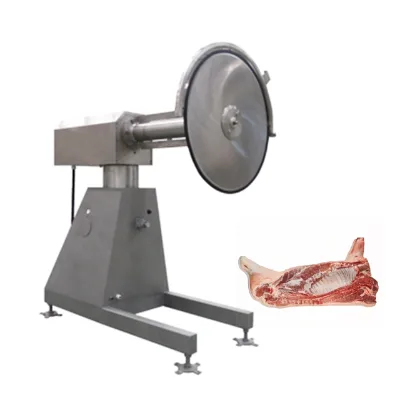
Find and compare 30 automatic cattle carcass cut saw options for beef processing, poultry lines, and general meat facilities. Evaluate semi-automatic models with 380V power, stainless steel construction, and capacities up to 200 pcs/h to streamline your slaughterhouse operations efficiently.
Key considerations
Products List


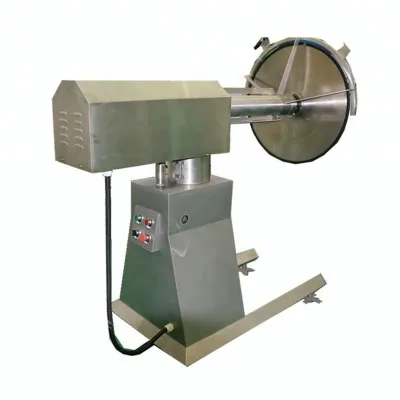
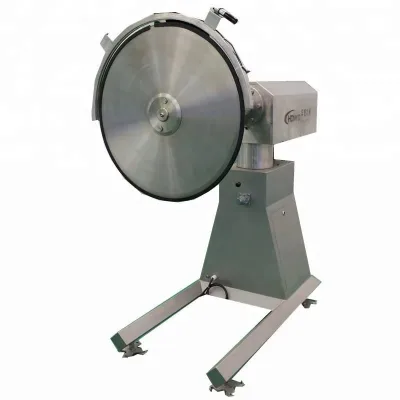


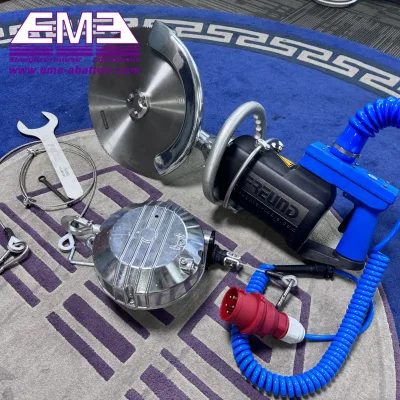


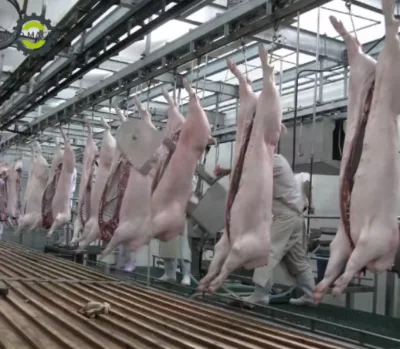


Comprehensive Sourcing Guide
Automatic Cattle Carcass Cut Saw Sourcing Guide
Buyers evaluating automatic cattle carcass cut saws must first distinguish between standalone cutting units and integrated slaughter line components. The market presents distinct configurations, ranging from semi-automatic models with 1.5kw power ratings to high-capacity electric systems reaching 14.5kw. Understanding whether the procurement goal is a single station for specific cuts or a full processing line is critical before engaging suppliers.
The observed product range includes specialized units designed for cattle, sheep, and pig processing, with capacities varying from 150 pieces per hour to fully customized daily shifts. Buyers should verify if the equipment is intended for a new facility build or an existing plant upgrade, as this dictates the required interface with upstream and downstream machinery. The distinction between a standalone saw and a complete line solution significantly impacts the total cost of ownership and operational workflow.
Product Scope and Observed Listing Signals
Procurement teams must analyze the specific application scope indicated in product listings to ensure alignment with their operational volume. Listings frequently cite capacities of 150 to 200 pieces per hour for specific models, while others offer fully customized daily shift capabilities ranging from 50 to 300 units. This variance suggests that a single machine may not suffice for high-volume operations, necessitating a multi-unit setup or a complete line integration.
Buyers should also scrutinize the physical attributes and material composition listed in the product data. Observed specifications include weights ranging from 70kg to 298kg and materials such as galvanized or stainless steel 304, which are essential for food safety compliance. The presence of features like "High Efficiency and Easy Operation" or "Save Labor Time" indicates a focus on throughput and ergonomics, but these claims require validation against actual site conditions and labor availability.
Technical Specifications to Verify
Technical due diligence requires confirming the electrical and mechanical parameters against the specific power infrastructure of the target facility. The observed voltage of 380V and frequency of 50Hz are standard for industrial equipment in many regions, yet the power consumption varies significantly between 1.5kw and 14.5kw depending on the model. Buyers must ensure their site can support the higher power demands of heavy-duty carcass processing units to prevent operational bottlenecks.
Dimensional and blade specifications are equally critical for integration into existing slaughterhouse layouts. Specific models feature saw blade sizes of 0.56mm by 19mm by 2980mm, which dictates the cutting depth and precision capabilities. Additionally, the physical footprint, often cited as 1340mm by 380mm by 380mm for certain units, must be reconciled with available floor space. Verifying these exact dimensions prevents costly retrofitting or layout redesigns after the equipment arrives on-site.
Compliance and Safety Documentation
Regulatory compliance is a non-negotiable aspect of sourcing industrial slaughter equipment, particularly regarding international food safety standards. Many suppliers list certifications such as CE, ISO 9001, and TS16949, which serve as indicators of adherence to quality management and safety protocols. Buyers must request current, valid certificates for the specific model being purchased, as these documents are often tied to the manufacturing batch and design revisions.
Safety documentation must also cover the operational environment and the specific processing stages involved, such as carcass, meat, sausage, or bacon production. The equipment is often marketed as suitable for "Slaughterhouse Building a to Z," implying a comprehensive safety framework. However, buyers should verify that the provided safety manuals and risk assessments explicitly address the hazards associated with high-speed saw blades and heavy machinery in a wet, slippery environment.
Cost Drivers and Commercial Terms
The total cost of ownership for automatic cattle carcass cut saws is driven by a combination of machine complexity, material quality, and customization levels. Prices observed in the market range widely from 999 to 45,000 USD, reflecting the difference between basic semi-automatic units and fully integrated, customized slaughter lines. Buyers should understand that higher price points often correlate with advanced automation, superior stainless steel construction, and extended warranty terms.
Commercial terms regarding minimum order quantities and packaging are also significant factors in the procurement decision. While some listings indicate an MOQ of just one unit, others may require larger commitments for customized lines. Packaging standards, such as fumigation-free wooden cases or export plywood packing, add to the logistical cost and must be factored into the budget. Additionally, the availability of overseas technician installation and commissioning services can influence the final landed cost and operational readiness timeline.
Supplier Qualification and Quality Control
Supplier qualification extends beyond the basic listing of certifications to include the verification of their manufacturing capabilities and track record. Buyers should investigate whether the supplier operates as a factory with direct control over production or acts as a trading entity. The presence of specific model numbers like HT-PBJ2980 or WFA-C-A10 suggests a structured product line, but direct engagement with the engineering team is necessary to confirm design ownership and quality control processes.
Quality control protocols must be explicitly defined before finalizing the purchase agreement. Buyers should request detailed inspection reports that cover material verification, such as the use of Stainless Steel 304, and functional testing results for the saw blades and motors. The supplier's ability to provide a "Slaughterhouse Building a to Z" solution implies a capacity for system integration, which requires rigorous testing of the entire line rather than just individual components to ensure seamless operation.
Long-Term Procurement Checks
Sustainable procurement requires establishing a clear plan for long-term maintenance, spare parts availability, and technical support. The "New" condition of the equipment is a starting point, but the longevity of the machine depends on the availability of replacement parts like saw blades and motors. Buyers should negotiate a long-term supply agreement for consumables and critical components to avoid production stoppages due to part shortages.
Training and ongoing technical support are essential for maximizing the return on investment and ensuring operator safety. Many suppliers offer overseas technician installation and training, which is a valuable asset for new facilities. However, buyers must verify the duration and scope of this support, including the availability of remote diagnostics and the response time for service calls. Establishing a clear service level agreement ensures that the equipment remains operational and efficient throughout its lifecycle.
FAQs
What is the typical capacity of an automatic cattle carcass cut saw?
The typical capacity ranges from 150 to 200 pieces per hour for standard models. Some systems offer customized daily shift capacities between 50 and 300 units. This variability allows buyers to select equipment that matches their specific production volume requirements and operational scale effectively.
Can the automatic cattle carcass cut saw be customized for specific needs?
Yes, customization is available for various machine specifications and production lines. Buyers can request tailored solutions for slaughterhouse plants, including specific carcass processing requirements. This flexibility ensures the equipment integrates seamlessly into existing facility layouts and meets unique operational standards.
What certifications do automatic cattle carcass cut saw manufacturers typically hold?
Manufacturers typically hold CE, ISO 9001, and TS16949 certifications. These credentials ensure compliance with international food processing standards and quality management systems. Buyers can verify these documents to confirm the equipment meets safety and regulatory requirements for global market distribution and installation.
How is the automatic cattle carcass cut saw packed for shipping?
The equipment is packed in fumigation-free wooden cases or export plywood packaging. This method protects the stainless steel components during transit. The packaging is designed to withstand international shipping conditions, ensuring the machinery arrives at the destination in optimal condition for immediate installation and commissioning.
What material is used for the automatic cattle carcass cut saw construction?
The construction primarily uses stainless steel 304 and galvanized steel. These materials provide durability and resistance to corrosion in wet slaughterhouse environments. The high-quality materials ensure hygiene compliance and long-term performance, making the equipment suitable for heavy-duty daily processing operations.
What installation support is provided for the automatic cattle carcass cut saw?
Overseas technician installation, commissioning, and training services are provided. This support ensures proper setup and operational efficiency at the buyer's facility. Technicians assist with initial configuration and staff training, reducing downtime and helping operators achieve optimal performance from the automated cutting equipment immediately.